Air purifiers are one of the easiest ways to improve indoor air quality — but many people run them incorrectly and never see real results. The truth is, placement, fan speed, and filter maintenance matter just as much as the purifier itself.
Used properly, an air purifier can reduce allergens, dust, pet dander, smoke particles, and airborne pollutants. Used incorrectly, it may run all day with minimal impact.
This guide explains how to maximize air purifier performance based on real-world usage experience.
Why Proper Air Purifier Setup Matters
Air purifiers don’t clean an entire home instantly. They clean the air that flows through them. That means airflow and placement determine how well they work.
Most performance problems come from:
- Poor placement
- Running fan speeds too low
- Ignoring filter maintenance
- Choosing the wrong room size coverage
Fixing these issues often produces noticeable improvements quickly.
Placement Rules: Where You Put It Changes Everything
The 6–12 Inch Clearance Rule
Air purifiers need space around them to pull in dirty air and release clean air.
Best Practice:
- Leave at least 6–12 inches of space from walls or furniture
- Avoid placing units directly in corners
- Keep air intake vents unobstructed
Restricted airflow reduces cleaning efficiency dramatically.
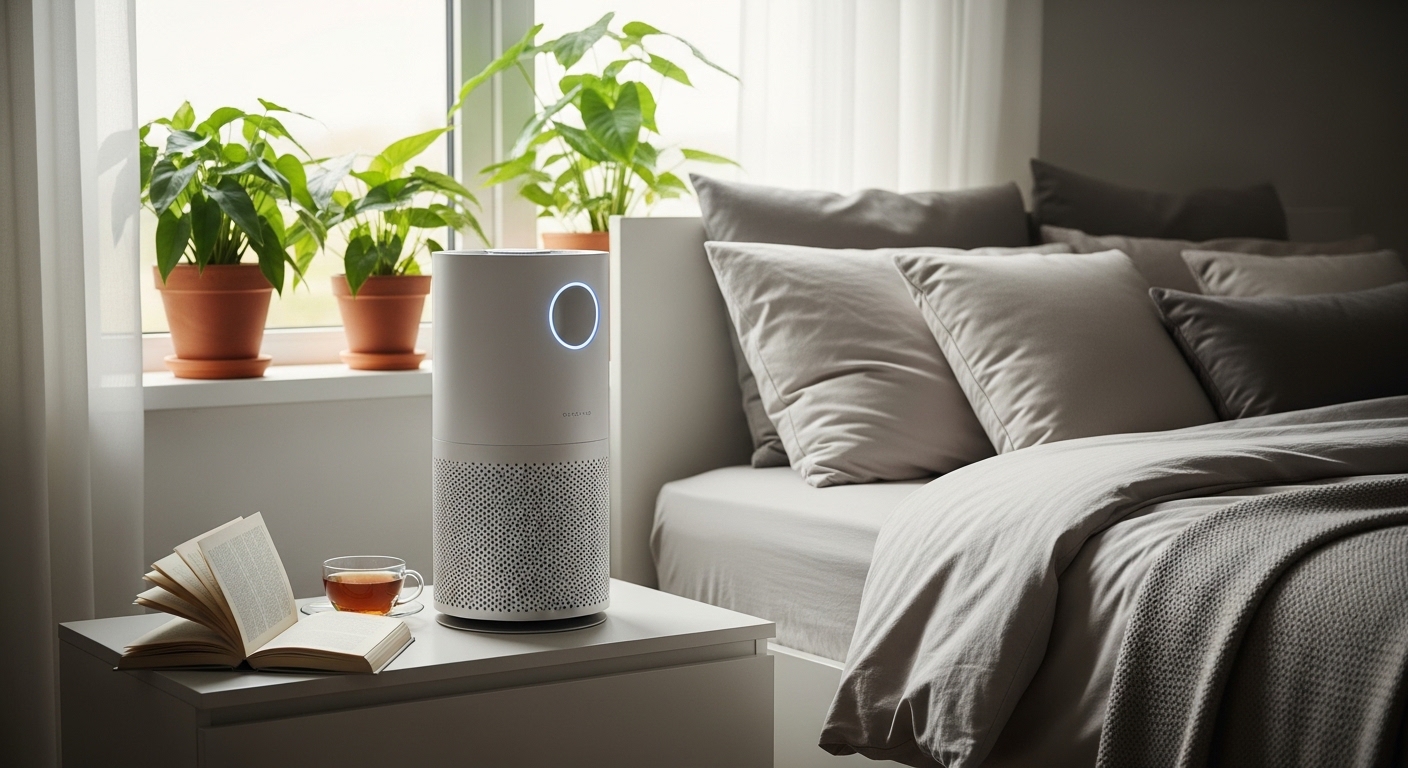
Bedroom Placement (Most Important Room)
Bedrooms often benefit the most from air purifiers because people spend long hours there.
Ideal Placement:
- 3–6 feet from the bed
- On the same side of the room where you sleep
- Not directly blowing air into your face
Running a purifier overnight helps remove dust, dander, and pollen while you sleep.
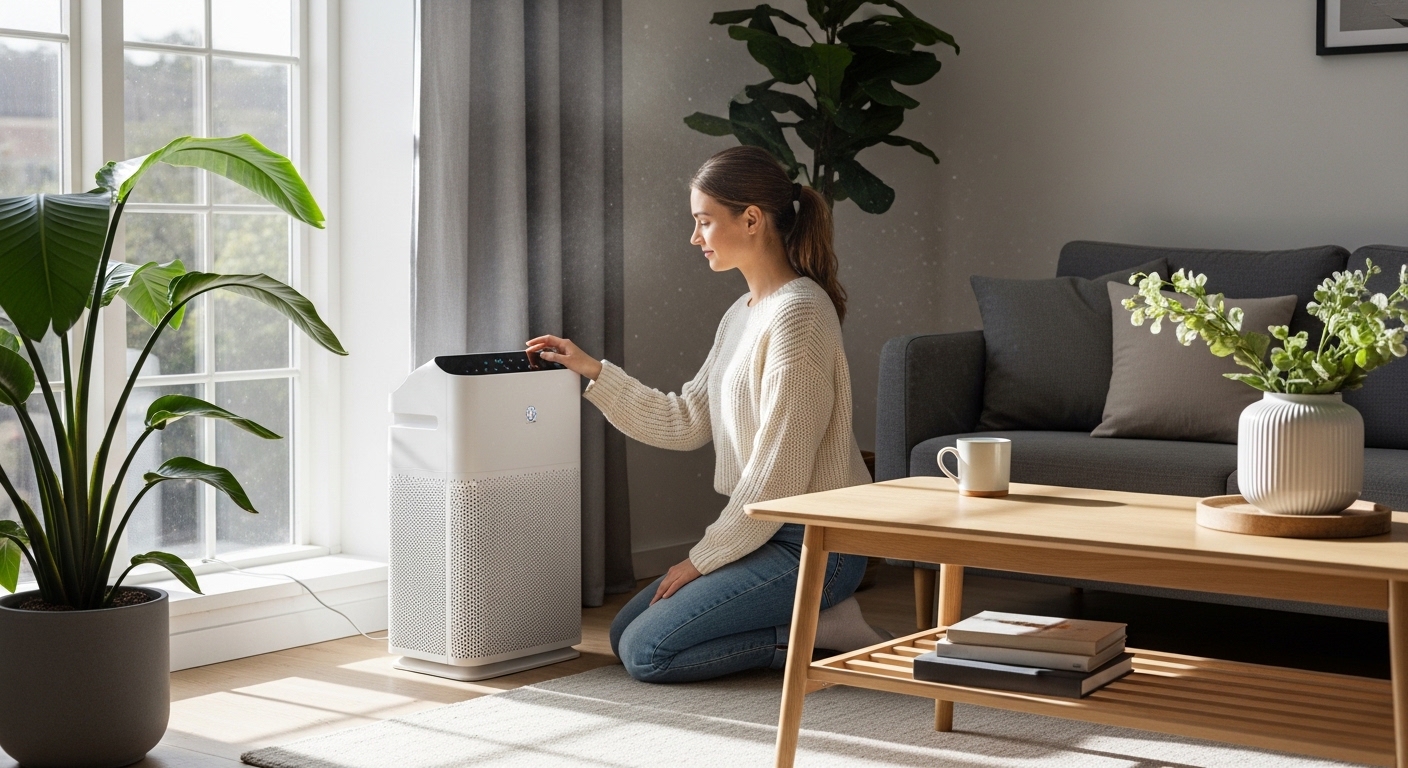
Living Room Placement
Living rooms often have larger air volume and more pollution sources like pets, cooking smells, and outdoor air.
Ideal Placement:
- Near seating areas
- Close to pollution sources (pet beds, entryways, open windows)
- Central to room airflow if possible
Small Room or Office Placement
For smaller spaces:
- Place purifier near your breathing zone
- Keep it elevated slightly if possible
- Avoid placing behind monitors, shelves, or clutter
Fan Speed Settings: How to Use Them Effectively
Many people leave purifiers on low speed constantly. While quiet, this often slows air cleaning significantly.
The “Boost Then Maintain” Strategy
Step 1: Boost Cleaning
Run purifier on high speed when:
- You first turn it on
- After cooking
- After vacuuming
- When pollen or smoke levels are high
- When pets are active
Run high speed for about 30–60 minutes.
Step 2: Maintenance Mode
Switch to medium or sleep mode for daily operation.
This approach:
- Cleans air quickly first
- Maintains air quality quietly afterward
- Improves long-term filter efficiency
When to Use Sleep Mode
Sleep mode is designed to:
- Reduce noise
- Dim lights
- Maintain airflow gently
Sleep mode works best when:
- Air was already cleaned beforehand
- Room doors and windows remain closed
Filter Replacement Timing: The Most Important Maintenance Habit
Filters capture particles — but eventually they fill up. A clogged filter reduces airflow and allows pollutants to circulate again.
Typical Filter Types
Pre-Filter
Captures:
- Pet hair
- Dust
- Large debris
Often washable and should be cleaned regularly.
HEPA Filter
Captures:
- Pollen
- Pet dander
- Dust mites
- Fine airborne particles
Usually replaced periodically rather than washed.
Carbon Filter
Captures:
- Odors
- Smoke
- VOCs
- Cooking smells
May need replacement based on odor exposure.
General Filter Timing Guidelines
Filter life varies depending on:
- Pet ownership
- Pollution levels
- Frequency of use
- Home humidity
However, common maintenance patterns include:
Pre-Filters
Clean every 2–4 weeks in pet or dusty homes.
HEPA Filters
Replace periodically based on usage intensity and air quality conditions.
Carbon Filters
Replace when odor removal becomes less noticeable.
Signs Your Filter Needs Attention
Watch for:
- Reduced airflow
- Increased purifier noise
- Persistent odors
- Increased allergy symptoms
- Visible dust buildup
These often indicate clogged filters or airflow restrictions.
Room Size Matching: A Hidden Performance Factor
Air purifiers are designed for specific room sizes.
If the purifier is too small:
- It must run constantly on high speed
- Cleaning results are slower
- Filters clog faster
If slightly oversized:
- You can run quieter speeds
- Air cycles faster
- Filters may last longer
Oversizing slightly usually improves real-world performance.
How Long Should You Run an Air Purifier?
For allergy or air quality control, continuous operation is typically recommended.
Running the purifier:
- During sleep
- During high indoor activity
- During seasonal pollen or smoke events
Maintains stable air quality rather than constantly restarting cleaning cycles.
Airflow and Door Management
Air purifiers work best in controlled spaces.
Best Practice:
- Keep doors and windows closed during operation
- If doors remain open, choose a purifier designed for larger coverage
Open airflow between rooms increases cleaning difficulty.
Common Air Purifier Mistakes
- Hiding purifiers behind furniture
- Running only on lowest speed
- Ignoring filter cleaning
- Choosing undersized units
- Turning purifier on only after symptoms start
Avoiding these mistakes often improves results immediately.
My Real Experience Using Air Purifiers
The biggest improvement came from changing placement. Moving a purifier closer to sleeping areas and running high speed briefly before bedtime made air quality noticeably better.
Cleaning pre-filters regularly also extended main filter performance and reduced odor buildup.
Air purifiers are very consistent when airflow and maintenance are handled correctly.
Final Thoughts
Air purifiers are highly effective when used properly. Performance depends less on brand and more on usage habits.
If you remember only three rules, remember these:
- Place the purifier where you breathe most and allow airflow space
- Use high speed briefly, then switch to maintenance or sleep mode
- Clean or replace filters consistently
Following these habits ensures better air quality, longer filter life, and noticeable allergy relief.