Vacuuming seems simple — push, pull, done. But most people leave dirt behind without realizing it. The difference between average cleaning and professional-level results usually comes down to technique, not the vacuum itself.
Learning how to vacuum properly can:
- Improve cleaning results immediately
- Reduce dust and allergens
- Protect carpets and floors
- Extend your vacuum’s performance and lifespan
- Save time long term
This guide explains practical, real-world techniques used by professional cleaners — no special equipment required.
Why Vacuuming Technique Matters More Than You Think
Most vacuums rely on two things to clean effectively:
- Suction airflow
- Brush roll agitation (on carpets)
If you move too fast, use the wrong height setting, or skip strategic passes, your vacuum can leave dirt trapped deep in fibers or stuck along edges.
Proper vacuuming is less about effort and more about methodical movement and smart adjustments.
Pass Patterns: The Secret to Deeper Cleaning
Professionals rarely vacuum randomly. They use specific patterns to ensure every section of floor receives proper airflow and brush contact.
The Crosshatch Pattern (Best Overall Method)
This is considered the gold standard for deep cleaning.
How to Do It
- Vacuum the room in straight lines from north to south
- Repeat vacuuming the same area east to west
This crisscross method:
- Lifts carpet fibers from multiple directions
- Pulls trapped dirt out more effectively
- Improves pickup consistency
It takes slightly longer but produces noticeably cleaner carpets.
The Slow Overlap Technique
Most people move too fast when vacuuming. A vacuum needs time to pull dirt out of flooring.
Proper Movement Speed
- Move forward slowly
- Pull back slowly
- Overlap each pass slightly
Pulling the vacuum backward often provides the strongest dirt removal because brush rolls lift fibers as suction pulls debris upward.
Edge-First Vacuuming
Before vacuuming open floor space:
- Vacuum along baseboards
- Vacuum around furniture legs
- Vacuum corners and tight areas
Edges collect the most dust, pet hair, and allergens because airflow is weaker there.
Cleaning edges first prevents spreading debris into clean areas.
Height Settings: The Most Overlooked Vacuum Feature
Many people never adjust vacuum height settings — which reduces cleaning performance dramatically.
The correct height allows:
- Proper brush contact
- Strong airflow
- Less strain on the vacuum motor
How to Set the Correct Height
Too Low
- Hard to push
- Loud brush roll sound
- Reduced airflow
- Can damage carpets
Too High
- Weak suction
- Dirt stays trapped
- Brush roll barely touches carpet
Correct Height
You should feel slight resistance but still push comfortably.
General Height Guide
Plush or Thick Carpet
Use higher height setting to allow airflow and prevent motor strain.
Medium Carpet
Use medium height setting for balanced agitation and airflow.
Low-Pile Carpet or Rugs
Use lower height setting to improve dirt removal.
Hardwood or Hard Floors
Turn off brush roll if possible or use hard floor mode to avoid scattering debris or scratching floors.
When to Use Vacuum Attachments (And Why They Matter)
Attachments are not optional — they dramatically improve cleaning results.
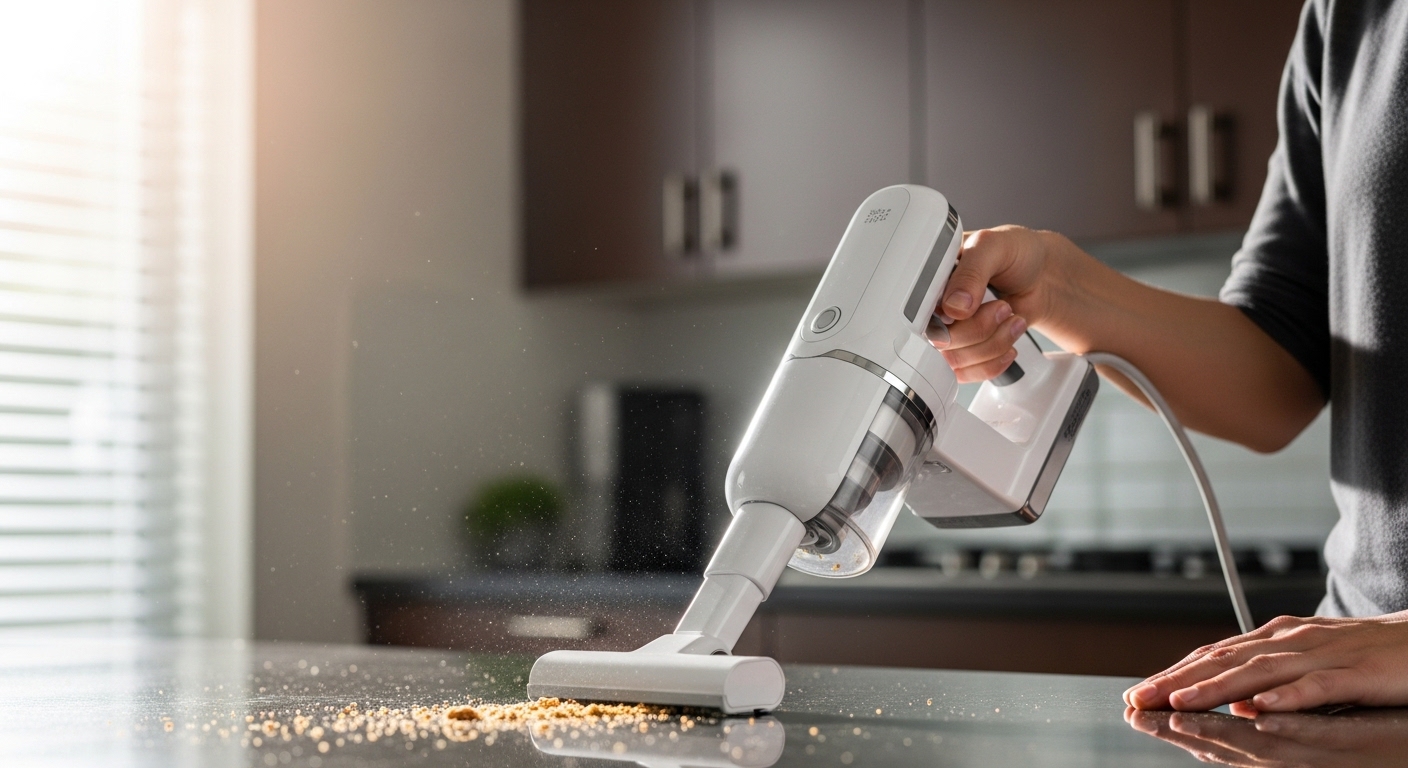
Crevice Tool
Best for:
- Baseboards
- Corners
- Couch edges
- Between cushions
- Around appliances
Dust and debris naturally collect in narrow spaces where main vacuum heads cannot reach.
Upholstery Tool
Best for:
- Sofas
- Mattresses
- Chairs
- Pet beds
- Curtains
Fabric surfaces trap allergens and pet hair deeply. Regular vacuum heads usually miss these areas.
Dusting Brush Attachment
Best for:
- Shelves
- Lampshades
- Window frames
- Electronics
- Vents
Soft bristles prevent damage while lifting fine dust.
Motorized Pet Tool (If Available)
Best for:
- Removing embedded pet hair
- Stairs and upholstery
- Carpeted furniture
Pet hair wraps tightly around fabric fibers and often requires specialized agitation.
The Two-Pass Rule (Professional Standard)
Professionals rarely vacuum areas only once.
First Pass
Removes surface dirt and debris.
Second Pass
Pulls deeper dirt trapped in carpet fibers.
This method is especially important in high-traffic areas.
Vacuum Direction Matters More Than Most People Realize
Carpet fibers lean naturally based on foot traffic.
Vacuuming in multiple directions:
- Lifts flattened carpet fibers
- Removes deeper debris
- Restores carpet appearance
Single-direction vacuuming leaves trapped dirt underneath fibers.
Smart Room Strategy: How Pros Vacuum Efficiently
Professional cleaners usually follow this order:
- Declutter the floor
- Dust surfaces first (so dust falls downward)
- Vacuum edges and corners
- Vacuum open floor using pass patterns
- Vacuum upholstery and fabric surfaces
- Finish with hard floor areas if present
This prevents re-cleaning areas twice.
How Often You Should Vacuum (Realistic Schedule)
High-Traffic Areas
2–4 times per week
Pet Homes
At least 3 times per week (daily during heavy shedding seasons)
Low-Traffic Rooms
Once per week
Upholstery and Mattresses
Once every 2–4 weeks
Maintenance Habits That Improve Vacuum Performance
Even perfect technique cannot compensate for poor maintenance.
Empty the Dirt Bin Regularly
Airflow decreases dramatically when bins are overfilled.
Clean or Replace Filters
Dirty filters reduce suction and push dust back into the air.
Check Brush Rolls
Hair and string reduce brush performance and airflow.
Common Vacuuming Mistakes
- Vacuuming too fast
- Skipping edge cleaning
- Using incorrect height settings
- Ignoring attachments
- Only vacuuming visible dirt
- Waiting too long between cleaning sessions
Avoiding these mistakes alone significantly improves cleaning results.
My Real Experience Using Professional Vacuuming Techniques
The biggest change in cleaning results happened when I slowed down and started overlapping passes. It feels less efficient at first, but floors stay cleaner longer — meaning fewer total cleaning sessions.
Using attachments also changed how clean furniture and corners actually felt. Many dust and pet hair problems come from ignoring those areas entirely.
Final Thoughts
Vacuuming like a professional is not about working harder — it’s about working smarter.
The three habits that make the biggest difference are:
- Use crosshatch or overlapping pass patterns
- Adjust height settings for each floor type
- Use attachments regularly, not occasionally
Mastering these techniques dramatically improves cleaning results while saving time in the long run.